176

Parkour Climb

Bloxy Block Parkour

Ragdoll Duel: Boxing

Trump Ragdoll
Ragdoll Mega Dunk
Parkour Block 4
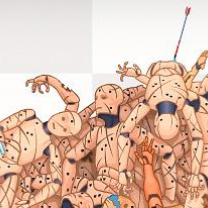
Ragdoll Achievement 2
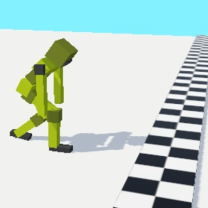
Ragdoll Step
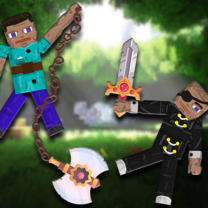
Ragdoll Heroes War
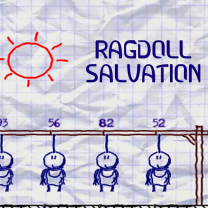
Ragdoll Salvation - Bow Master

Ragdoll Launcher
Ragdoll Drop is a browser-based ragdoll arcade game built around loose physics and unpredictable movement. There’s no setup or waiting period. A run begins immediately, and once the ragdoll starts falling, control becomes more about reacting than planning. Gravity does most of the work, while timing and small inputs influence how each crash unfolds. The result is a game that feels chaotic by design, where failure is expected and repetition is part of the rhythm.
Each attempt sends the ragdoll into a descending path filled with obstacles, slopes, and hard surfaces. The goal isn’t clean movement, but lasting longer through impact and momentum. Every fall plays out differently, which keeps runs feeling varied even when the structure stays familiar.
• Mouse input: Used to start movement or apply force during a run
• Keyboard keys: Handle quick actions such as restarting or triggering effects
• Timing focus: Because motion is unstable by nature, reacting at the right moment matters more than precise control
Letting motion play out naturally often feels more effective than forcing corrections. Short runs are common, and restarting quickly tends to keep the experience flowing rather than frustrating.
Ragdoll Drop feels intentionally messy. The character reacts slowly, limbs flop unpredictably, and momentum can either save a run or end it instantly. Difficulty comes from reading motion rather than memorizing patterns. Sessions work well in short bursts, though longer runs demand more attention. On modern browsers, gameplay remains smooth, with this title being monitored on the platform to maintain consistent movement and physics over time.
Other ragdoll-focused browser games such as Archer Ragdoll Masters and Ragdoll Runners explore similar ideas, using physics-driven movement and repeated attempts to create challenge through instability rather than precision.